
99.00$ Original price was: 99.00$.79.00$Current price is: 79.00$.
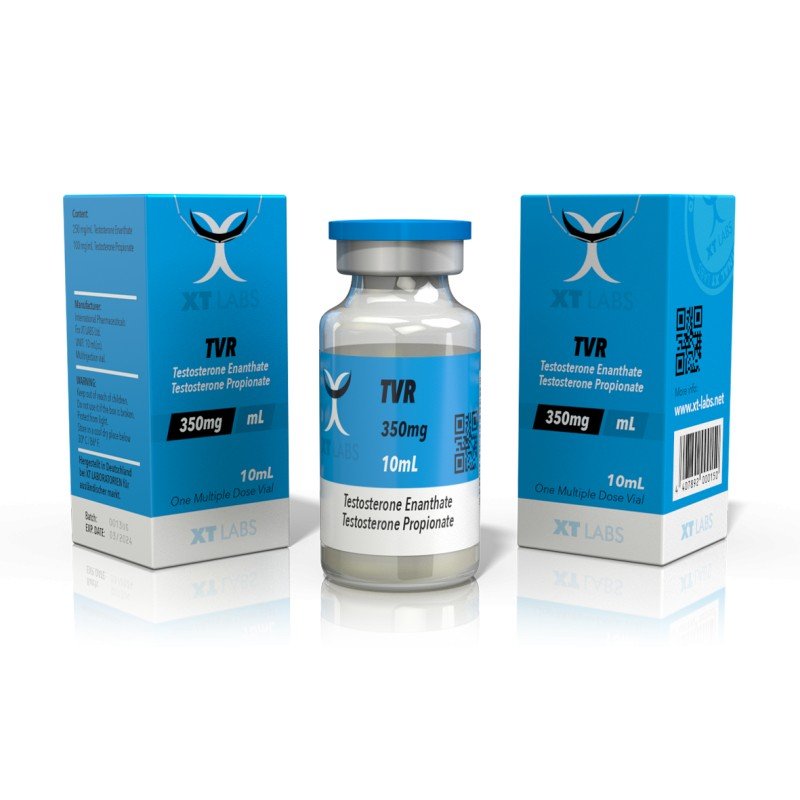
TVR 350 XT Labs 10 mL Buy In USA
TVR 350 XT Labs 10 mL is a dual‑ester testosterone formulation designed for advanced anabolic and performance use. Each milliliter contains 250 mg of Testosterone Enanthate and 100 mg of Testosterone Propionate, delivering a total of 350 mg of testosterone per injection. The enanthate ester provides a sustained, long-acting base, whereas the propionate component supplies a rapid onset of action. Together, they aim to maintain steady androgenic and anabolic effects over a multi‑day timeframe, reducing the frequency of injections while offering potent physiological support. Engineered for bodybuilders and hormone optimization protocols, TVR 350 combines immediacy and durability in a single injectable solution.
Description
TVR 350 XT Labs: Comprehensive Guide to Testosterone Enanthate & Propionate Blend
TVR 350 by XT Labs is an injectable anabolic steroid product that combines two testosterone esters in a 10 mL multi-dose vial. Each milliliter contains 250 mg of Testosterone Enanthate and 100 mg of Testosterone Propionate, for a total of 350 mg of testosterone per mL. This blend leverages both a long-acting and a short-acting ester of testosterone. In this guide, we will examine the chemical composition of testosterone enanthate and propionate, their pharmacokinetics (including half-lives), and compare testosterone enanthate to testosterone cypionate (another common long-acting ester). We will also discuss the benefits of combining enanthate and propionate as in TVR 350, including a timeline example of how each ester releases over time after injection. Finally, an extensive section on side effects is provided, followed by examples of how bodybuilders might cycle this compound and stack it with others.
XT Labs TVR 350 Explained: Ingredients, Composition, and Chemical Profile of Testosterone Enanthate
TVR 350 by XT Labs is a premium testosterone blend combining both short-acting (propionate) and long-acting (enanthate) esters. This dual-ester formulation is designed for balanced hormonal delivery—offering an immediate onset and a sustained anabolic effect. One of the two active ingredients, Testosterone Enanthate, plays a pivotal role in maintaining elevated serum testosterone over time, ensuring consistency in androgenic and anabolic effects throughout a cycle.
What Is Testosterone Enanthate in TVR 350?
Testosterone Enanthate is a slow-acting, oil-soluble derivative of testosterone where the enanthate ester (heptanoate) is covalently bonded at the 17β-hydroxyl position of the base hormone. This esterification significantly alters the pharmacokinetics of testosterone:
-
Ester Type: Enanthate (heptanoic acid), a 7-carbon chain
-
Chemical Name: Testosterone 17β-heptanoate
-
Molecular Formula: C₂₆H₄₀O₃
-
Molar Mass: ≈ 400.6 g/mol
The esterification process makes the molecule lipophilic, allowing it to dissolve in oil-based solutions and form a depot (a slow-release reservoir) in the muscle after intramuscular injection.
Mechanism of Release
Upon injection, esterases (naturally occurring enzymes in the bloodstream and muscle tissue) begin cleaving the ester bond. As this bond is hydrolyzed, bioactive testosterone is slowly released into circulation. The release rate is largely governed by:
-
The length of the ester chain (longer = slower release)
-
The oil solubility of the compound (higher = slower diffusion)
-
The injection frequency and site (gluteal muscles preferred for depot formation)
This makes Testosterone Enanthate ideal for users who prefer fewer injections but desire steady anabolic coverage.
Half-Life and Pharmacokinetics
While your original section did not mention this, the biological half-life of Testosterone Enanthate is approximately 4.5 to 5 days in men when administered intramuscularly in an oil-based solution (1) [Nieschlag et al., 2004; Vogiatzi et al., 2023]. Its elimination half-life can extend beyond 8 days in certain individuals depending on factors like age, metabolism, and dosage.
-
Onset of Action: ~24 hours
-
Peak Serum Concentration: ~72–96 hours
-
Effective Duration: 7–10 days per injection
-
Half-Life (Terminal): 4.5–5 days (mean), up to 8 days (in some PK studies)
In practice, this pharmacokinetic profile allows for injection frequencies of once every 5–7 days for testosterone replacement therapy (TRT) or twice weekly in bodybuilding cycles to maintain more stable serum levels and minimize fluctuations.
Synthesis and Core Properties
Testosterone Enanthate is synthesized via esterification of testosterone base with heptanoic acid (enanthic acid). This chemical process modifies its solubility and pharmacodynamics:
-
Synthesis: Formation of an ester bond at the 17β-hydroxy group of testosterone
-
Physical Appearance: White to off-white crystalline powder
-
Solubility: Highly soluble in vegetable oils (e.g., castor, sesame), poorly soluble in water
When dissolved in oil as part of TVR 350, the compound becomes a prodrug—inactive until enzymatically cleaved—resulting in a sustained-release testosterone delivery system.
Why Testosterone Enanthate Matters in TVR 350
The inclusion of Testosterone Enanthate in the TVR 350 formula allows for:
-
Long-lasting androgenic and anabolic activity—a stable testosterone baseline is maintained between injections.
-
Smooth hormonal profile—less fluctuation compared to short esters alone, leading to improved energy, mood, libido, and training consistency.
-
Compatibility with stacking—acts as a hormonal “anchor” for multi-compound cycles (e.g., when stacking with nandrolone, trenbolone, or orals).
Moreover, when combined with Testosterone Propionate in TVR 350, the user benefits from both:
-
Fast onset from the propionate ester
-
Long duration from the enanthate ester
This makes TVR 350 particularly valuable in bodybuilding cycles that demand rapid effect onset and stable long-term hormonal support.
XT Labs TVR 350: Composition and Chemical Profile of Testosterone Propionate
Within the TVR 350 formulation by XT Labs, Testosterone Propionate plays a vital role as the fast-acting component that complements the longer-acting enanthate ester. Its inclusion ensures that users experience a rapid onset of anabolic activity immediately after injection while maintaining hormonal stability through the enanthate phase.
What Is Testosterone Propionate in TVR 350?
Testosterone Propionate is an esterified derivative of testosterone that incorporates a short three-carbon propionic acid chain at the 17β-hydroxyl position, forming testosterone 17β-propanoate. This modification enhances its pharmacokinetic profile, allowing for a quick release into the bloodstream once injected.
Chemically, testosterone propionate has the molecular formula C₂₂H₃₂O₃ (molar mass ≈ 344.5 g/mol), which reflects the smaller ester structure compared to testosterone enanthate. As part of XT Labs TVR 350, this shorter chain ensures a faster absorption rate and immediate hormonal elevation post-administration.
Properties and Pharmacological Behavior
-
Chemical Type: Short-acting testosterone ester
-
Molecular Formula: C₂₂H₃₂O₃
-
Ester Chain: 3-carbon (propionate)
-
Duration of Action: 2–3 days on average
Testosterone Propionate was among the first testosterone esters developed in the 1930s for medical applications. It is commonly prepared as an oil-based injectable, though early versions were also formulated as aqueous suspensions and tablets. The short ester chain gives it greater water solubility and a much faster release profile than longer esters.
In TVR 350, this property ensures that serum testosterone levels rise rapidly within the first 24–36 hours after injection, initiating anabolic activity while the enanthate ester takes effect more gradually.
Administration and Duration
Due to its short half-life (approximately 0.8–1 day), Testosterone Propionate typically requires frequent administration to maintain stable hormone levels—commonly every other day or three times per week. However, when blended in TVR 350, users benefit from the propionate’s quick onset without the inconvenience of daily injections, as the enanthate ester maintains steady hormone levels beyond the initial phase.
Physical Characteristics and Solubility
-
Form: White to off-white crystalline powder
-
Solubility: High in carrier oils (such as sesame or castor oil); moderate in water
-
Injection Profile: Known for causing mild post-injection discomfort, attributed to the rapid crystallization of the short ester and its high local concentration in muscle tissue.
Despite this, TVR 350 is formulated to minimize irritation while preserving propionate’s rapid-release benefits.
Role of Testosterone Propionate in XT Labs TVR 350
In the XT Labs TVR 350 blend, testosterone propionate serves as the immediate-acting ester, elevating testosterone levels within the first 24 hours of injection. This ensures users experience a fast onset of strength, libido, and performance effects, bridging the gap until testosterone enanthate’s long-acting properties take over.
By combining these two esters, TVR 350 provides a balanced pharmacokinetic curve—quick activation from propionate and sustained support from enanthate—making it both efficient and convenient for athletes and patients seeking consistent hormonal performance.
XT Labs TVR 350: Half-Life and Pharmacokinetics of Testosterone Enanthate vs. Testosterone Propionate
In TVR 350 by XT Labs, the combination of Testosterone Enanthate and Testosterone Propionate provides both immediate and sustained hormonal activity. Understanding the half-life and pharmacokinetics of each ester helps explain why this blend delivers fast results followed by a steady anabolic release.
How Ester Chain Length Affects Testosterone Release
The key pharmacokinetic difference between testosterone esters lies in their fatty-acid chain length. The longer the ester chain, the slower the release from the injection site.
-
Testosterone Enanthate contains a 7-carbon chain (heptanoate), creating a longer-acting profile.
-
Testosterone Propionate has a 3-carbon chain, resulting in a much shorter duration.
This difference directly impacts how TVR 350 maintains elevated testosterone levels in the bloodstream after administration.
Testosterone Enanthate Half-Life and Duration in TVR 350
When injected intramuscularly as an oil-based solution, testosterone enanthate—one of the key esters in XT Labs TVR 350—has an average elimination half-life of 4.5 to 7 days, depending on individual metabolism and injection site.
-
Elimination half-life: ~4.5–7 days
-
Mean residence time: ~8.5 days
-
Active duration: 10–14 days
This means a single dose remains effective for up to two weeks, with serum testosterone peaking within the first 5–7 days and gradually tapering afterward. For this reason, medical guidelines and performance protocols typically recommend weekly injections to maintain steady hormone levels.
In the TVR 350 formulation, testosterone enanthate serves as the long-acting foundation, ensuring that testosterone concentrations stay elevated long after the propionate fraction has cleared.
Testosterone Propionate Half-Life and Duration in TVR 350
Testosterone Propionate, the short-acting ester in TVR 350, has an average half-life of about 0.8 days (≈20 hours) and a mean residence time of 1.5–2 days.
-
Elimination half-life: ~0.8 day
-
Mean residence time: 1.5–2 days
-
Peak blood levels: 24–36 hours post-injection
-
Duration of action: 2–3 days
Because of its short ester chain, propionate releases testosterone almost immediately after injection and is mostly cleared from the body within several days. In standalone use, this would require injections every other day to maintain stability. However, in XT Labs TVR 350, propionate provides the initial surge of testosterone, bridging the gap until enanthate takes over with its slower, sustained release.
Pharmacokinetic Mechanism in TVR 350
The rate at which each ester in TVR 350 releases testosterone depends on lipid solubility and enzymatic hydrolysis:
-
Enanthate (7-carbon chain): The longer chain makes the molecule highly oil-soluble, causing a slower release from the intramuscular depot. Enzymes gradually cleave the ester, liberating testosterone over several days.
-
Propionate (3-carbon chain): The shorter chain reduces oil solubility, so the hormone is released and cleaved much faster—within 24–48 hours.
As pharmacological studies confirm, “the longer the fatty acid chain, the slower the release from the injected depot.” Once the ester bond is hydrolyzed, the resulting testosterone is identical to natural, endogenous testosterone and follows normal metabolic pathways before being excreted in urine.
Clinical and Performance Implications of TVR 350’s Pharmacokinetics
-
Injection Frequency: Enanthate allows for weekly or bi-weekly administration; propionate typically requires multiple weekly injections. In TVR 350, combining both esters reduces the need for such high frequency while preserving rapid onset.
-
Steady-State Accumulation: With repeated weekly dosing, enanthate builds up gradually to reach stable plasma levels. Propionate, due to its short duration, clears quickly and prevents excessive accumulation—useful for shorter cycles or when preparing for testing.
-
Balanced Hormone Curve: The propionate component ensures an immediate testosterone boost, while the enanthate maintains long-term stability. This dual-release pattern minimizes hormonal fluctuations and supports consistent anabolic performance.
XT Labs TVR 350: Testosterone Enanthate vs. Testosterone Cypionate — Key Differences and Regional Use
The TVR 350 by XT Labs uses Testosterone Enanthate as its long-acting base ester. To understand its pharmacological profile, it’s important to compare it with another popular long-acting ester, Testosterone Cypionate. Although both compounds are nearly identical in structure and clinical performance, subtle distinctions in ester length, carrier oils, and regional preferences influence their use in therapy and performance applications.
Chemical and Structural Comparison
Testosterone Cypionate is testosterone bonded to a cyclopentylpropionate ester, which has an 8-carbon chain. By contrast, Testosterone Enanthate, found in TVR 350, contains a 7-carbon heptanoate chain.
This one-carbon difference makes cypionate marginally more oil-soluble but does not result in any significant pharmacological advantage. Both esters are long-chain carboxylic acid derivatives that delay the release of active testosterone after injection.
-
Cypionate Molecular Chain: 8 carbons (slightly longer)
-
Enanthate Molecular Chain: 7 carbons
-
Effect: Nearly identical absorption and release rates
In practical application, these structural distinctions have minimal clinical impact—which is why both compounds are often treated as interchangeable in testosterone replacement therapy (TRT) and athletic use.
Half-Life and Duration of Action
Both esters deliver long-acting testosterone, with only slight variations in duration:
-
Testosterone Cypionate: Elimination half-life ≈ 7–8 days
-
Testosterone Enanthate: Elimination half-life ≈ 4.5–7 days
In other words, Testosterone Enanthate—the ester featured in XT Labs TVR 350—may remain active in the bloodstream just as long, if not slightly longer, than cypionate. Both are typically administered on a weekly or bi-weekly basis for TRT and every 5–7 days in performance protocols.
These overlapping half-life ranges confirm that TVR 350 provides the same sustained hormonal release expected from cypionate-based formulations.
Carrier Oils and Formulation Differences
Pharmaceutical testosterone esters vary not only in ester chain length but also in carrier oil composition:
-
Testosterone Cypionate (Depo-Testosterone): Commonly dissolved in cottonseed oil.
-
Testosterone Enanthate (Delatestryl, Primoteston): Usually dissolved in sesame oil.
Cottonseed oil tends to be thinner and absorbs slightly faster, while sesame oil is more viscous and slower to disperse. These differences may slightly affect injection comfort but not overall absorption rate.
Modern underground or research-grade labs, including XT Labs, often use refined oils such as grapeseed or MCT oil, chosen for optimal viscosity and minimal post-injection irritation. Thus, the classic “oil difference” between cypionate and enanthate does not significantly apply to TVR 350’s optimized blend.
Medical and Regional Preferences
Historically, Testosterone Cypionate became the standard in the United States, where it was marketed as Depo-Testosterone starting in 1951. Testosterone Enanthate, introduced in 1954, gained global popularity under brands such as Testoviron and Primoteston, becoming the dominant ester across Europe, Asia, and Latin America.
-
Cypionate: Primarily prescribed in the U.S.
-
Enanthate: Widely available worldwide, including Europe, Asia, and Latin America
-
Legal Classification: Schedule III controlled substance in the U.S.; regulated in most countries
For users of XT Labs TVR 350, this means the enanthate base aligns with internationally recognized medical formulations, making it compatible with both clinical protocols and global supply standards.
Bottom Line: Why XT Labs Chose Testosterone Enanthate for TVR 350
Both Testosterone Enanthate and Testosterone Cypionate share nearly identical pharmacokinetics and anabolic-androgenic effects. Minor distinctions—one extra carbon atom, varying carrier oils, or regional availability—do not meaningfully change their clinical outcomes.
The choice of Testosterone Enanthate for TVR 350 was strategic:
-
It ensures a consistent, stable release curve that matches or exceeds cypionate’s duration.
-
It offers global compatibility with standard TRT formulations.
-
It synergizes effectively with the Testosterone Propionate component in TVR 350, achieving both rapid onset and long-term hormonal balance.
XT Labs TVR 350: Benefits of Combining Testosterone Propionate and Enanthate
Combining a short ester (propionate) with a long ester (enanthate) in one formulation is an approach designed to harness the advantages of both. TVR 350 (XT Labs) is essentially a two-ester blend similar in concept to the pharmaceutical mix Sustanon (which contains four esters). The following sections detail the main benefits and pharmacological rationale for this composition.
Rapid Onset with Sustained Release
The testosterone propionate in TVR 350 (100 mg/mL) provides an almost immediate elevation in testosterone levels within the first 24–48 hours after injection.
This quick “kick-start” occurs because propionate is released very rapidly (half-life ≈ 20 hours) .
By contrast, testosterone enanthate (250 mg/mL) releases more slowly, with serum levels rising over several days and remaining elevated for more than a week.
When combined in one shot, propionate covers the early phase while enanthate maintains the levels in the later phase. This yields stable testosterone levels from day 1 through day 10+, compared with using enanthate alone.
Enanthate alone might take several days to reach peak concentration, but propionate ensures the user experiences androgenic effects immediately—an advantage for short cycles or the beginning of a cycle.
Frontloading Effect Without Separate Injections
Bodybuilders sometimes “frontload” long-ester steroids by taking a higher first dose or adding a short-ester version to build blood levels faster. A product like TVR 350 inherently frontloads the cycle for the user:
-
Propionate acts as the frontloader (initial boost).
-
Enanthate provides the follow-through for sustained release.
This built-in frontload results in quicker strength gains and muscle fullness within the first week of a cycle, eliminating the delay typical of long-ester testosterone use.
Reduced Injection Frequency vs. Using Propionate Alone
If one were to rely only on testosterone propionate, injections would be required every other day.
By mixing propionate with enanthate, TVR 350 allows users to inject less frequently (about twice per week) while still gaining propionate’s rapid action.
The enanthate in the formula prolongs overall activity, permitting more spaced-out dosing. However, very infrequent injections—such as once every two weeks—would not capitalize on propionate’s benefits, since it would clear before the next dose.
A reasonable schedule for blends like TVR 350 is 1–2 injections per week to maintain steady hormone levels.
Stable Blood Levels and Anabolic Environment
Having multiple esters can reduce the peaks and troughs in serum hormone levels.
-
Propionate peaks early and declines quickly.
-
Enanthate peaks later and declines gradually.
The combined result is a smoother testosterone-release curve, potentially minimizing fluctuations and side effects. Stable levels are believed to reduce mood swings and estrogen spikes while maintaining consistent anabolic activity.
This is the same design principle behind Sustanon 250—a four-ester mix developed to provide both fast onset and prolonged stability [financialit.net]. Similarly, TVR 350’s dual-ester composition delivers the best of both worlds: rapid results and long-term balance.
Customized Hormone-Therapy Potential
Although mainly a bodybuilding product, combinations like TVR 350 are also explored in hormone-replacement therapy contexts.
There are no FDA-approved mixed-ester testosterone injections, but compounding pharmacies may prepare such blends for individualized treatment.
Because each ester is metabolized at a different rate, providers have sought combinations containing short-, medium-, and long-acting esters to fine-tune testosterone release .
Combining multiple esters “may result in unique patient responses that cannot be achieved with a single ester” .
Some patients report improved well-being or steadier energy due to smoother hormone levels. While largely anecdotal, this evidence supports the logic behind TVR 350’s balanced pharmacology.
Summary: The Advantage of XT Labs TVR 350 Composition
The composition of TVR 350—250 mg Testosterone Enanthate + 100 mg Testosterone Propionate—produces a rapid yet sustained testosterone release, improving the onset of effects while maintaining elevated androgen levels longer.
This eliminates the need for separate injections of short and long esters.
Such design is especially useful at the start of a cycle or for short cycles (6–8 weeks) where fast but durable results are desired.
It also increases convenience by consolidating two compounds into one precise, stable injection.
XT Labs TVR 350: Release Timeline of Testosterone Propionate and Enanthate in a Single Dose
To demonstrate how the dual esters in TVR 350 by XT Labs interact, consider a single 1 mL (350 mg) injection administered on Day 1 of a cycle. This scenario illustrates how testosterone propionate (100 mg) and testosterone enanthate (250 mg) release into the bloodstream at different rates, producing a rapid onset followed by sustained hormonal activity.
Day 1 – Injection and Initial Release
Upon intramuscular injection, the oil-based TVR 350 solution forms a depot within muscle tissue.
-
Testosterone Propionate (100 mg) begins diffusing almost immediately, with significant amounts entering circulation within a few hours.
-
Testosterone Enanthate (250 mg) starts releasing at a slower rate due to its longer ester chain.
As both esters begin hydrolyzing, serum testosterone levels start rising on the same day, providing early activation.
Days 2–3 – Dual Peak Activity
By Day 2, propionate approaches its peak concentration (around 24–36 hours post-injection), corresponding to its ~20-hour half-life. Users typically feel heightened androgenic effects—strong muscle pumps, improved strength, and libido increases—during this period.
Meanwhile, testosterone enanthate continues to rise gradually. It generally peaks between Day 3 and Day 4, so during this time both esters overlap, creating a synergistic effect where total testosterone levels remain exceptionally high. This marks the combined-action phase of TVR 350.
Days 4–5 – Transition from Propionate to Enanthate
By Day 4, most of the propionate has been expended. Given its 0.8-day half-life, approximately half of it clears every 20 hours, meaning that after four days (~five half-lives), over 95% has been metabolized.
At this point, enanthate is near its maximum release rate, maintaining elevated testosterone even as propionate fades. With its 4.5-day half-life, enanthate continues to deliver a steady anabolic effect, ensuring that total testosterone levels don’t plummet after propionate clearance.
Days 6–10 – Sustained Enanthate Dominance
During this stage, testosterone enanthate governs the hormonal activity.
-
By Day 7, about half of the enanthate dose remains active.
-
By Day 10, roughly 25% or less is still circulating, maintaining an above-baseline testosterone level.
This prolonged release period explains why TVR 350 maintains anabolic effects for 10+ days, even after the short ester has completely cleared.
Days 11–14 – Decline and Clearance
Around two weeks post-injection, testosterone levels return toward baseline, assuming no additional injections are given (since exogenous testosterone suppresses endogenous production).
By Day 14, most of the enanthate ester has been hydrolyzed and eliminated:
-
Two half-lives (~9 days) clear about 75%, and
-
Three half-lives (~13.5 days) eliminate roughly 87–90%.
Any residual hormone beyond this point is minimal and no longer anabolic. This timeline explains why weekly injections are generally recommended to maintain stable plasma testosterone when using long esters such as those in TVR 350.
Practical Use in a Cycle: Maintaining Steady Levels
In real-world application, TVR 350 is typically injected twice per week—for instance, on Monday and Thursday.
-
The propionate from Monday’s dose covers the early week, ensuring quick elevation.
-
The propionate from Thursday’s injection bridges the gap before the next week.
-
Meanwhile, enanthate from both injections provides a continuous hormonal baseline throughout the cycle.
This overlapping pattern achieves a smoother testosterone curve than using either ester individually at the same total weekly dosage, maintaining steady-state levels with fewer hormonal peaks and drops.
Pharmacological Insight
According to pharmacological research, adding a short ester like propionate does not alter the total elimination rate of the long ester (enanthate still determines overall duration) [sciencedirect.com]. However, users consistently report that blends like TVR 350 “feel faster” due to the propionate’s rapid release and perceptible early effects.
Conclusion: Release Dynamics of XT Labs TVR 350
If a cycle begins on Day 1 with TVR 350, the user can expect:
-
Immediate effects within the first 1–2 days from testosterone propionate.
-
Sustained testosterone elevation for 10–14 days from testosterone enanthate.
By roughly two weeks, both esters will have largely cleared unless new injections are administered. This pharmacokinetic profile highlights why TVR 350 is ideal for users seeking fast onset and extended activity, offering a precisely balanced dual-ester performance in one injection.
(Note: These estimations assume average metabolic rates; individual variations may occur. Optimal dosing frequency should be confirmed through lab-based monitoring of serum testosterone levels.)
TVR 350: Example Cycles and Stacking Strategies in Bodybuilding Applications
TVR 350 by XT Labs combines two testosterone esters—250 mg of testosterone enanthate and 100 mg of testosterone propionate per mL—designed to deliver both rapid onset and sustained androgenic activity. This hybrid formulation allows for diverse cycle applications ranging from first-time testosterone-only protocols to advanced bulking and cutting stacks. Below are expanded examples reflecting how TVR 350 is typically used in anabolic steroid regimens, particularly among experienced bodybuilders.
Testosterone-Only Protocol: Entry-Level or Conservative Users
In beginner-level or conservative testosterone-only cycles, TVR 350 is frequently employed to assess individual response, tolerance, and side effect management.
-
Duration: 8 to 12 weeks
-
Dosage Range: 350–700 mg per week (1–2 mL total weekly), split into two injections (e.g., Monday and Thursday)
-
Injection Frequency: Bi-weekly to capitalize on both esters
Example Protocol:
-
Weeks 1–10: TVR 350 @ 350 mg/week (0.5 mL Monday, 0.5 mL Thursday)
-
Aromatase inhibitor (e.g., Arimidex 0.25 mg every other day) on standby
-
Start PCT (Clomid 50 mg/day + Nolvadex 20 mg/day) 12–14 days after final injection
This protocol provides a fast initial rise in testosterone (from the propionate) and a stable mid-to-long-term release (via enanthate). Even a standalone testosterone cycle typically necessitates estrogen management and post-cycle therapy.
Bulking Cycle Examples with TVR 350
TVR 350 is an effective base compound in mass-building cycles due to its robust anabolic and androgenic properties. Here are several advanced bulking stack templates:
Example 1: Classic Mass Stack
-
Weeks 1–12:
-
TVR 350 @ 500 mg/week
-
Nandrolone Decanoate @ 300 mg/week
-
Dianabol @ 30 mg/day (Weeks 1–6 only)
-
This stack is considered one of the most effective for rapid size and strength gains. Testosterone counteracts the potential sexual dysfunction caused by nandrolone (commonly referred to as “Deca dick”).
Example 2: High-Calorie Bulk (Appetite Focused)
-
Weeks 1–14:
-
TVR 350 @ 700 mg/week
-
Boldenone Undecylenate (Equipoise) @ 600 mg/week
-
Anadrol (Oxymetholone) @ 50 mg/day (Weeks 1–5)
-
This configuration encourages aggressive weight and appetite gain. EQ promotes erythropoiesis and hunger stimulation, while Anadrol delivers a rapid early strength surge.
Example 3: Intermediate Stack (Lean Bulk)
-
Weeks 1–12:
-
TVR 350 @ 525 mg/week
-
Turinabol (Chlorodehydromethyltestosterone) @ 40 mg/day (Weeks 1–8)
-
Turinabol provides a drier, more stable oral option with fewer estrogenic and hepatotoxic risks than Anadrol or Dianabol.
Cutting Cycle Examples with TVR 350
During fat-loss phases, testosterone remains critical to preserve lean tissue and support endocrine function. The inclusion of fast-acting and non-aromatizing agents creates sharper definition.
Example 4: Advanced Pre-Contest Stack
-
Weeks 1–8:
-
TVR 350 @ 500 mg/week
-
Trenbolone Acetate @ 300 mg/week
-
Winstrol @ 50 mg every other day
-
Trenbolone and Winstrol work synergistically to harden the physique and promote vascularity. The inclusion of propionate in TVR 350 enhances the immediate anabolic signal in this shorter cycle format.
Example 5: Mild Cutting Stack
-
Weeks 1–10:
-
TVR 350 @ 350–400 mg/week
-
Anavar (Oxandrolone) @ 50 mg/day
-
Masteron (Drostanolone Propionate) @ 300 mg/week
-
Anavar and Masteron are both mild and suitable for athletes seeking definition without harsh androgenic side effects. This stack is popular among those with lower body fat percentages seeking a polished, dry look.
TVR 350 in Sustanon-Like Testosterone Blends
Although TVR 350 only contains two esters compared to Sustanon 250’s four, it behaves similarly in pharmacokinetic dynamics when dosed correctly.
Example 6: TRT-Inspired Hybrid Cycle
-
TVR 350 @ 700 mg/week, split into 2 injections (e.g., Monday/Thursday 1 mL each)
-
Optional oral kickstarter (Anavar 40 mg/day or Turinabol 30 mg/day for first 4–6 weeks)
This approach stabilizes plasma testosterone while taking advantage of the propionate’s rapid action. It’s widely used in lean-bulking protocols.
High-Dose or Advanced Testosterone Protocols
Advanced users sometimes utilize significantly higher testosterone dosages. TVR 350’s high concentration allows fewer injections while still achieving supraphysiological levels.
Example 7: High-Dose Stack
-
Weeks 1–12:
-
TVR 350 @ 1,050 mg/week (1.5 mL Monday, 1.5 mL Thursday)
-
Equipoise @ 800 mg/week
-
Anadrol @ 50–100 mg/day (Weeks 1–6)
-
This heavy stack demands comprehensive side effect management: blood pressure, cholesterol, liver enzymes, and estrogen control are critical.
Frontloading Strategy
Some athletes apply a frontload to quickly saturate hormone levels in the initial week.
Example 8: Frontload TVR 350 Protocol
-
Week 1: 700 mg (1 mL Monday, 1 mL Thursday)
-
Weeks 2–10: 350 mg/week
-
Optional oral: Anavar or Turinabol 30–50 mg/day (Weeks 1–6)
This is often used in short cycles to achieve faster peak levels without extending the duration.
Cruise and Bridge Applications
TVR 350 is not ideal for cruise phases due to the inclusion of propionate, which requires frequent injections. However, it may serve as a final blast before transitioning to pure enanthate or cypionate for cruise protocols.
-
Cruise Alternative: 150–200 mg/week of testosterone enanthate/cypionate (not propionate-based)
-
Bridge Strategy: 6–8 weeks at maintenance dose before resuming next cycle
On-Cycle Support Compounds (Ancillaries)
Effective cycle design often includes mitigation of side effects. Common ancillaries include:
-
Aromatase Inhibitors (AI): Arimidex 0.25–0.5 mg EOD or Aromasin
-
SERMs: Nolvadex 20 mg/day or Clomid 25–50 mg/day for estrogenic symptoms or PCT
-
5-alpha reductase inhibitors: Finasteride 1 mg/day (testosterone-only cycles)
-
Liver Support: NAC, TUDCA, Milk Thistle (especially with oral steroids)
-
Lipid Support: Fish oil, red yeast rice, niacin
-
Prolactin Control: Cabergoline (especially with 19-nor compounds)
-
Blood Pressure Management: CoQ10, beet root extract, ACE inhibitors under supervision
Post-Cycle Therapy (PCT) for TVR 350
Due to the enanthate ester’s prolonged activity, PCT initiation should be delayed by approximately two weeks after the last injection.
-
Start: 10–14 days post-final injection
-
Protocol:
-
Clomid: 50 mg/day
-
Nolvadex: 20 mg/day
-
Duration: 4–6 weeks
-
Optional: hCG 500–1,000 IU every other day for 2 weeks prior to PCT
-
XT Labs TVR 350: Extensive Side Effects of Testosterone Enanthate and Propionate Use
Like any anabolic-androgenic steroid (AAS), the testosterone esters found in TVR 350 (XT Labs)—Testosterone Enanthate and Testosterone Propionate—can cause a wide spectrum of side effects. These may range from mild and reversible to serious and long-lasting. Since testosterone influences nearly every physiological system, its exogenous administration at supraphysiological doses can significantly disrupt normal endocrine and organ function.
Below is an extensive and categorized overview of potential adverse effects associated with testosterone ester use, covering hormonal, metabolic, cardiovascular, hepatic, and psychological domains.
Estrogenic Side Effects
Testosterone readily aromatizes into estradiol (estrogen). Elevated estrogen can lead to gynecomastia (breast tissue development in men) and water retention, producing a bloated look and higher blood pressure.
-
Early warning signs include tenderness or puffiness around the nipples.
-
Mechanism: The enzyme aromatase converts testosterone into estradiol, raising estrogenic load and causing estrogen-mediated suppression of the HPTA (Hypothalamic–Pituitary–Testicular Axis).
-
Prevention: Aromatase inhibitors (AIs) such as anastrozole or letrozole can limit estrogen conversion.
-
Severity: Estrogenic effects are dose-dependent. Mild water retention is common at moderate doses, while heavy cycles can produce severe gynecomastia, which may require surgical correction once fibrous tissue develops.
Androgenic Side Effects
Being the archetypal androgen, testosterone can cause androgenic (virilizing) reactions, especially at high doses:
-
Skin and hair: Increased sebum production → acne, oily skin, and accelerated male-pattern baldness in genetically predisposed users.
-
DHT Conversion: Testosterone is converted to dihydrotestosterone (DHT) via 5α-reductase, particularly in scalp and prostate tissue, leading to hair loss and prostate enlargement.
-
Mitigation: Drugs like finasteride can block this conversion, though they mainly protect scalp hair.
-
Females: Virilization effects (deepened voice, clitoral enlargement, menstrual irregularities, excessive body hair) are irreversible.
-
Local irritation: Testosterone Propionate is known for more painful injection-site reactions and can cause temporary androgenic flare-ups due to its fast absorption and higher serum peaks.
-
Genetics: The intensity of androgenic effects varies—some users develop severe acne or hair loss while others do not, even at equal doses.
Cardiovascular and Lipid Effects
Exogenous testosterone can adversely impact cardiovascular health(3):
-
Blood pressure: Increases due to water retention and elevated red blood cell (RBC) count.
-
Lipid profile: High-dose testosterone can lower HDL (good cholesterol) and raise LDL (bad cholesterol), promoting atherosclerosis.
-
Heart complications: Long-term abuse can lead to cardiomyopathy, arrhythmias, hypertension, and even myocardial infarction.
-
Blood viscosity: Elevated hematocrit (from polycythemia) thickens the blood, increasing stroke or clot risk.
-
Prevention and monitoring: Users should routinely check blood pressure, hematocrit, and lipid panels, and consider supplements like omega-3 fatty acids—though these cannot fully offset cardiovascular risk.
Cardiovascular side effects are often insidious, developing silently over years. Even if users feel healthy during cycles, long-term cardiac damage may still occur.
Hormonal Effects: HPTA Suppression and Fertility
When exogenous testosterone such as TVR 350 is introduced, the body’s natural testosterone production is suppressed:
-
Mechanism: The HPTA senses elevated androgens and estrogen, inhibiting LH and FSH release.
-
Effects:
-
Testicular atrophy (testes shrink due to inactivity).
-
Reduced sperm count (oligospermia or azoospermia).
-
Temporary infertility during and immediately after cycles.
-
-
Recovery: In most cases, natural function resumes after discontinuation, especially with a Post-Cycle Therapy (PCT) protocol including HCG, clomiphene, or tamoxifen.
-
Risks of prolonged use: Chronic suppression may cause persistent hypogonadism.
-
Females: Testosterone use disrupts the menstrual cycle and may cause infertility or amenorrhea (cessation of menstruation).
Without PCT, hormonal recovery can take months, and libido or erectile function may fluctuate during this time.
Hepatic (Liver) Effects
Unlike oral 17α-alkylated steroids, injectable testosterone esters (including enanthate and propionate) are not hepatotoxic under normal dosages.
-
Liver strain: Minimal; however, extreme doses can indirectly stress the liver due to increased metabolism and protein turnover.
-
Rare cases: Mild cholestatic jaundice has been reported but is uncommon.
-
Caution: Combining testosterone with oral steroids like Dianabol drastically increases liver toxicity.
-
Severe liver risks (e.g., tumors or peliosis hepatis) occur mainly with oral C-17 alkylated steroids, not injectables like TVR 350.
Psychological and Neurological Effects
High testosterone levels can significantly influence mood, behavior, and cognition:
-
Aggression and irritability: Sometimes called “roid rage,” though not universal, can occur in susceptible individuals.
-
Euphoria and confidence: Many users report elevated motivation and focus, but some experience impulsivity or mania-like behavior.
-
Depression and anxiety: Common during post-cycle hormonal crashes when natural testosterone remains suppressed.
-
Dependence: Users may feel psychologically attached to the energy and mood elevation while “on cycle.”
These effects are typically reversible after cessation but can cause social or emotional issues if unmanaged.
Other Side Effects and Health Considerations
Injection Site Reactions
-
Testosterone Propionate often causes pain, swelling, or redness at the injection site.
-
Proper sterile technique and alternating injection sites are essential to prevent tissue damage and scar formation.
Infection Risk
-
Non-sterile equipment or contaminated UGL products can lead to abscesses or transmission of diseases like HIV or Hepatitis B/C.
-
Always use sterile syringes and single-use needles.
Prostate Enlargement
-
Testosterone and its metabolite DHT can stimulate prostate growth.
-
Symptoms include urinary frequency or difficulty.
-
Men over 40 should undergo regular prostate screening.
Sleep Apnea
-
Elevated testosterone may exacerbate obstructive sleep apnea, especially in overweight users.
Immune System
-
Some studies indicate that supraphysiologic AAS doses may suppress immune function, increasing infection susceptibility.
Tendon and Connective Tissue Health
-
AAS may alter collagen synthesis, causing tendon stiffness or micro-tears.
-
Muscles strengthen faster than tendons adapt, heightening injury risk.
Long-Term Considerations and Management
Testosterone’s side effects reflect its systemic power—it can both masculinize and feminize, influence lipids, and affect mental health.
-
Dose-dependent: At TRT (therapeutic) levels, risks are minimal and often reversible.
-
Bodybuilding doses: Risks become substantial, particularly with long-term use.
Risk Reduction Strategies
-
Use lowest effective dose and limit cycle length.
-
Incorporate ancillary drugs (AIs, SERMs, 5α-reductase inhibitors, BP control, lipid support).
-
Perform regular blood work: liver enzymes, hematocrit, lipids, hormones, and BP monitoring.
Permanence of Certain Effects
Some adverse outcomes—like hair loss, untreated gynecomastia, or female virilization—may be irreversible.
Summary: Responsible Use of Testosterone Esters in TVR 350
The use of Testosterone Enanthate and Propionate in XT Labs TVR 350 provides powerful anabolic benefits but also carries significant systemic risks if misused. While many side effects are manageable or reversible, others can have lifelong consequences. Responsible users must balance potential gains with health monitoring and evidence-based mitigation strategies.
Realistic Expectations: With a well-planned cycle involving TVR 350, users might experience significant increases in muscle mass, strength, and improved recovery. However, they must also anticipate and manage side effects as outlined. Gains from a cycle can be partly lost after cessation if proper training, diet, and recovery protocols are not followed.
Legal and Ethical Note: It should be reiterated that non-medical use of testosterone (and other AAS) is illegal in many countries and banned in sports. The discussion above reflects what bodybuilders reportedly do, but any such use carries health and legal risks.
References: The information provided in this guide is supported by medical and scientific sources. Key references include pharmacology texts and research on testosterone esters’ half-livesen.wikipedia.orgen.wikipedia.org, comparisons between enanthate and cypionateverywellhealth.comen.wikipedia.org, and documented side effects from reputable organizations and studiesnida.nih.govpmc.ncbi.nlm.nih.govpmc.ncbi.nlm.nih.gov, among others. Always consult clinical literature or a medical professional for the most personalized and up-to-date information on testosterone therapy or steroid use.
References:
- Vogiatzi MG, Jaffe JS, Amy T, Rogol AD. Allometric Scaling of Testosterone Enanthate Pharmacokinetics to Adolescent Hypogonadal Males (IM and SC Administration). J Endocr Soc. 2023 Apr 27;7(6):bvad059. doi: 10.1210/jendso/bvad059. PMID: 37180212; PMCID: PMC10174206. Allometric Scaling of Testosterone Enanthate Pharmacokinetics to Adolescent Hypogonadal Males (IM and SC Administration) – PubMed
- Mingxing L, Yanfei Y. Adverse Effects of Anabolic Androgenic Steroid Abuse in Athletes and Physically Active Individuals: A Systematic Review and Meta-Analysis. Subst Use Misuse. 2025;60(6):873-887. doi: 10.1080/10826084.2025.2460986. Epub 2025 Feb 13. PMID: 39945139. Adverse Effects of Anabolic Androgenic Steroid Abuse in Athletes and Physically Active Individuals: A Systematic Review and Meta-Analysis – PubMed
- Buhl LF, Lehmann Christensen L, Diederichsen A, Lindholt JS, Kistorp CM, Glintborg D, Andersen M, Frystyk J. Impact of androgenic anabolic steroid use on cardiovascular and mental health in Danish recreational athletes: protocol for a nationwide cross-sectional cohort study as a part of the Fitness Doping in Denmark (FIDO-DK) study. BMJ Open. 2024 May 7;14(5):e078558. doi: 10.1136/bmjopen-2023-078558. PMID: 38719280; PMCID: PMC11086435. https://pmc.ncbi.nlm.nih.gov/articles/PMC11086435/
- Grant, B., Hyams, E., Davies, R., Minhas, S., & Jayasena, C. N. (2024, July 23). Androgen abuse: Risks and adverse effects in men. Annals of the New York Academy of Sciences. https://doi.org/10.1111/nyas.15187
- Almeida Azevedo, R., Gualano, B., Teixeira, T. A., Nascimento, B. C. G., & Hallak, J. (2024, April 21). Abusive use of anabolic androgenic steroids, male sexual dysfunction and infertility: An updated review. Frontiers in Toxicology, 6. https://doi.org/10.3389/ftox.2024.1379272
- Scarth, M., Abdullah, R., Almaas, V. M., & Bjørnebekk, A. (2025). Associations between types of anabolic androgenic steroids and growth hormone and adverse effects: Insights from a male cohort study. Performance Enhancement & Health, 13(3), 100337. https://doi.org/10.1016/j.peh.2025.100337
- Behre, H.M., Nieschlag, E. (1998). Comparative pharmacokinetics of testosterone esters. In: Nieschlag, E., Behre, H.M. (eds) Testosterone. Springer, Berlin, Heidelberg. https://doi.org/10.1007/978-3-642-72185-4_11 https://link.springer.com/chapter/10.1007/978-3-642-72185-4_11
Reviews
There are no reviews yet.