
Description
Nandroplex 100 (Nandrolone Phenylpropionate) – Mechanism, Benefits, Dosage & Risks
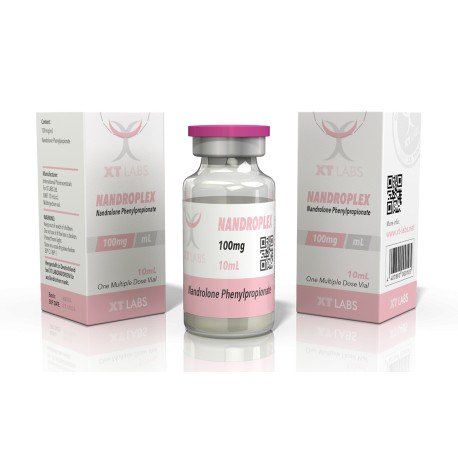
Nandroplex 100 is a branded injectable form of nandrolone phenylpropionate (NPP), an anabolic-androgenic steroid (AAS) produced by XT Labs. Chemically, it is a short-acting ester of nandrolone, a synthetic derivative of testosterone known for its potent muscle-building effects. Nandrolone phenylpropionate delivers rapid increases in lean muscle mass and strength, making it popular among bodybuilders and athletes seeking performance enhancement. It also has legitimate medical uses – historically prescribed for certain anemia and wasting conditions – though its use must be medically supervised due to significant side effects (levelandclinic.org.)
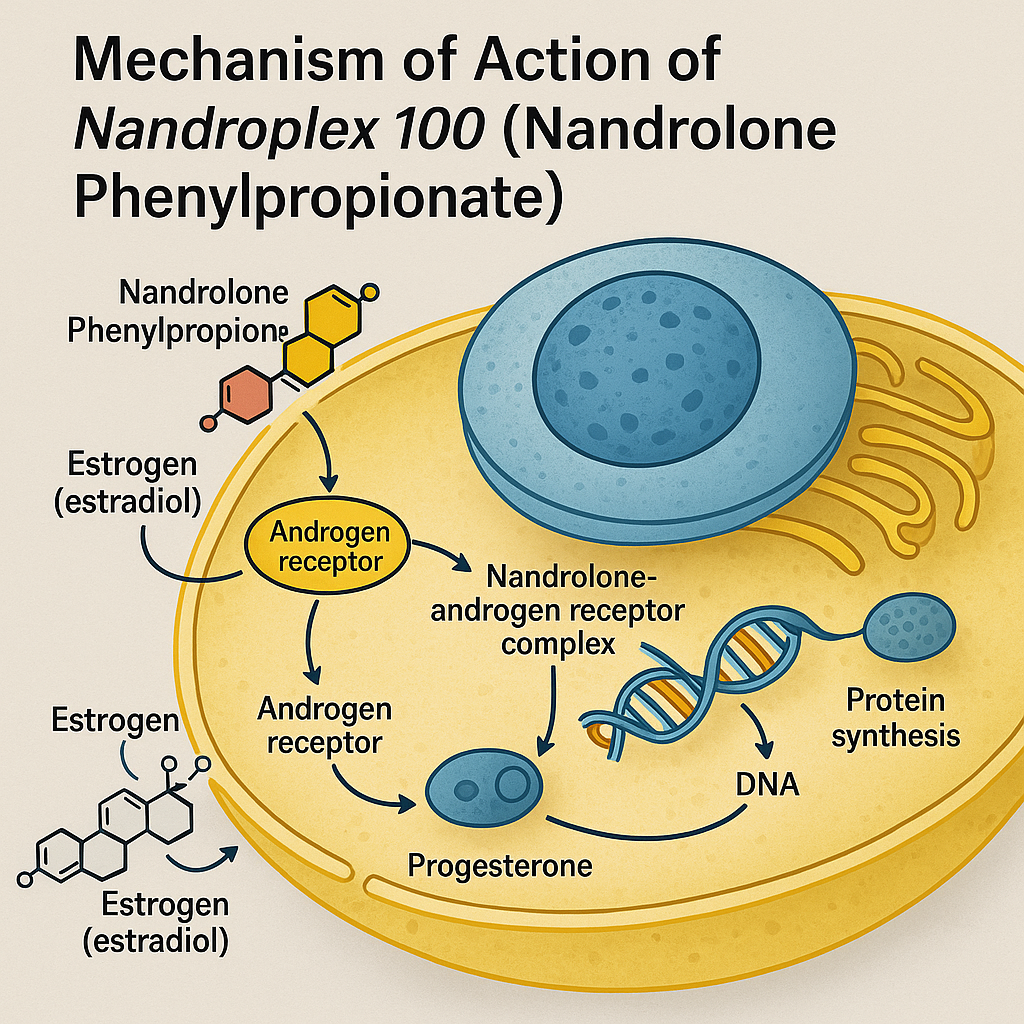
Mechanism of Action of
Nandroplex 100 (Nandrolone Phenylpropionate)
Nandroplex 100 (Nandrolone Phenylpropionate)
Nandrolone phenylpropionate acts as an androgen receptor agonist, similar to testosterone, but with a different balance of anabolic (muscle-building) vs. androgenic (masculinizing) effects. Scientists modified the testosterone molecule (removing a carbon at position 19, hence “19-nortestosterone”) to enhance its anabolic properties while reducing androgenic potency. As a result, nandrolone is more tissue-building (anabolic) than testosterone but comparatively weaker in androgenic action. Classic assays in the 1950s found nandrolone to have an anabolic-androgenic index around 11:1 relative to testosterone’s 1:1 – in other words, nandrolone exhibited roughly 10-fold greater muscle growth effect than testosterone with much less prostate and hair follicle stimulation. This favorable ratio is partly explained by metabolism: when testosterone is converted by 5α-reductase in tissues like the prostate, it forms dihydrotestosterone (DHT), a very potent androgen. In contrast, nandrolone’s 5α-reduced metabolite (dihydronandrolone) binds the androgen receptor far more weaklytau.amegroups.org. Therefore, nandrolone remains effective in muscle (where 5α-reductase is low) while causing less stimulation of androgen-sensitive tissues like skin and prostate (tau.amegroups.org.)
Once injected intramuscularly, NPP’s phenylpropionate ester is cleaved, releasing active nandrolone into circulation. Nandroplex 100 provides nandrolone in a short-ester form, which means it reaches peak levels faster but has a shorter half-life than longer esters (e.g. nandrolone decanoate) chemicalbook.com. Studies show nandrolone phenylpropionate produces higher and earlier blood concentration peaks compared to the decanoate ester. This yields a rapid onset of action but also more rapid decline, so frequent dosing (e.g. every 2–3 days) is needed to maintain stable anabolic levels. Like other AAS, nandrolone exerts its effects by binding to androgen receptors in muscle and bone cells, modulating gene expression to enhance protein synthesis and reduce protein breakdown. The result is accelerated muscle fiber growth, increased collagen synthesis, and stimulation of bone density. Nandrolone also stimulates erythropoiesis (red blood cell production) by acting on the bone marrow, which can improve oxygen-carrying capacity my.clevelandclinic.org. Overall, the pharmacodynamics of NPP lead to increased muscle mass, strength, and tissue repair with relatively reduced androgenic side effects compared to testosterone.
Benefits and Therapeutic Uses of Nandrolone Phenylpropionate (NPP)
Nandrolone phenylpropionate offers multiple clinically recognized anabolic and metabolic benefits. Its applications extend from therapeutic management of catabolic diseases to performance enhancement, although only the former is medically endorsed. Below is a structured, evidence-based review of its primary therapeutic uses and functional advantages.
Medical Applications of Nandrolone Phenylpropionate
Anemia of Chronic Kidney Disease
Nandrolone was FDA-approved for anemia associated with renal failure due to its ability to stimulate erythropoietin activity and red blood cell synthesis. Clinical data demonstrate consistent increases in hemoglobin levels, making it a useful alternative in patients who cannot tolerate erythropoiesis-stimulating agents.
Osteoporosis Management
In postmenopausal osteoporosis, nandrolone has shown the capacity to increase bone mineral density and overall bone strength. Through androgen-receptor–mediated stimulation of bone formation, it can reduce fracture risk in severe cases where first-line pharmacologic options are inadequate.
Muscle Wasting and Cachexia
NPP demonstrates notable efficacy in managing muscle-wasting syndromes. Evidence supports its use in:
-
HIV/AIDS-associated wasting
-
Cancer-related cachexia
-
COPD-associated muscle loss
Clinical trials indicate improvements in lean body mass, muscle strength, and functional performance when combined with structured nutrition and exercise programs.
Recovery After Severe Burns or Critical Illness
Anabolic therapy using nandrolone has been investigated for patients recovering from major burns or prolonged ICU hospitalization. A 2022 pilot trial showed that nandrolone administration during rehabilitation was safe and suggested potential benefits in restoring skeletal muscle strength.
Historical Use in Metastatic Breast Cancer (Palliative)
Historically, nandrolone and related androgens were used palliatively in metastatic breast cancer at weekly doses of 50–100 mg due to anti-estrogenic and tissue-building effects. Although now rarely used, this remains part of its documented medical profile.
Performance and Bodybuilding Applications
Lean Muscle Mass and Strength Development
Nandroplex 100 (NPP) is frequently used for its rapid onset of anabolic activity. Due to its short ester, users report noticeable improvements in lean mass, muscle fullness, and training capacity within weeks, driven by enhanced protein synthesis and nitrogen retention.
Connective Tissue and Joint Support
Anecdotal and clinical observations suggest nandrolone may reduce joint discomfort and improve recovery of connective tissue structures. Increased collagen synthesis and localized fluid retention contribute to its reputation for joint relief, which has been partially validated in clinical studies involving osteoporotic patients.
Clinical Considerations and Appropriate Use
While nandrolone phenylpropionate offers well-documented therapeutic benefits, its use should be confined strictly to medically appropriate indications. In conditions such as anemia, osteoporosis, and cachexia, patients often experience measurable improvements in strength, mobility, and body composition. However, non-medical use for physique or performance purposes introduces significant health risks and is not endorsed by medical authorities.
Healthcare supervision is essential to ensure appropriate dosing, monitoring of biomarkers, and early detection of adverse effects.
Key Anabolic Benefits of Nandrolone Phenylpropionate
Enhanced Erythropoiesis
Increases red blood cell production, improving oxygen-carrying capacity and overall endurance.
Increased Protein Synthesis and Recovery
Accelerates muscle tissue repair, enhances muscle endurance, and improves post-training recovery times.
Lean Muscle Mass Accretion
Promotes measurable increases in lean body mass, counteracting catabolic processes.
Improved Bone Density
Strengthens skeletal structure and reduces fracture risk, particularly valuable in osteoporotic individuals.
Dosage and Administration of Nandroplex 100 (Nandrolone Phenylpropionate -NPP)
Appropriate dosing of nandrolone phenylpropionate requires individualized assessment and clinical supervision. Variations in half-life, pharmacokinetics, and patient-specific factors mandate careful medical oversight to ensure therapeutic benefit while minimizing risk.
Therapeutic Dosage Guidelines
Standard Medical Dosing Ranges
Nandroplex 100 (100 mg/mL) is generally distributed as a multi-dose injectable vial. In therapeutic settings, dosing is conservative. Clinical guidelines for nandrolone decanoate—pharmacologically similar to NPP—have historically utilized:
-
50–100 mg intramuscularly per week in women
-
100–200 mg per week in men
These regimens have demonstrated efficacy in anemia, osteoporosis, and other catabolic conditions while limiting adverse events. A recent clinical study in critical illness recovery administered 100 mg/week to women and 200 mg/week to men for 3 weeks, reporting no significant adverse events, indicating that short-term use within this range can be safe when properly monitored.
Injection Frequency in Medical Use
Because nandrolone phenylpropionate has a relatively short half-life, therapeutic injections may be administered every 3 to 7 days to maintain consistent plasma concentration. Medical dosing intervals are structured to avoid significant fluctuations in androgen levels and minimize endocrine suppression.
Non-Medical Patterns of Use (Not Medically Recommended)
Common Dosing Behaviors Among Athletes
In sports or bodybuilding contexts—outside medical approval—individuals often employ 50–100 mg every other day or approximately 150–300 mg per week, divided into 2–3 injections. The short ester yields rapid release and a fast peak of nandrolone, prompting frequent administration (e.g., Monday/Wednesday/Friday schedules) to avoid hormonal peaks and troughs.
High-Dose and Supratherapeutic Misuse
Some illicit users escalate to 300–600+ mg weekly, frequently stacking multiple anabolic agents. Such dosages exceed clinically studied levels and dramatically increase risk. Evidence indicates that 10–20× clinical doses amplify adverse effects without proportionally increasing anabolic benefits.
Clinical Risk Considerations During Dosing
Risks of Elevated or Prolonged Dosing
Higher or prolonged dosing increases the likelihood of:
-
Endocrine suppression
-
Dyslipidemia and cardiovascular strain
-
Adverse hepatic effects
-
Injection-site complications
-
Neuropsychiatric changes
These risks occur even more aggressively at non-medical dosages.
Safe Injection Practices
When medically indicated, nandrolone injections should be administered:
-
Deep intramuscularly (commonly gluteal muscle)
-
Using sterile technique
-
With rotation of injection sites
-
Splitting larger doses into multiple injections (e.g., ≤1 mL per site) to improve absorption and minimize irritation
Proper administration reduces the likelihood of post-injection pain, inflammation, and depot inconsistencies.
Summary of Proper Administration
Nandroplex 100 is administered intramuscularly, with typical therapeutic regimens falling between 50–200 mg per week, depending on patient characteristics and indication. Due to NPP’s faster pharmacokinetic profile, injections generally occur 2–3 times per week. Any administration of nandrolone phenylpropionate must follow medical guidance to reduce the risk of harm. Self-administration without clinical supervision is unsafe and strongly discouraged.
Side Effects and Health Risks of Nandroplex 100 (Nandrolone Phenylpropionate)
Nandroplex 100, an injectable formulation of nandrolone phenylpropionate, offers therapeutic advantages but also carries clinically significant risks. As an anabolic-androgenic steroid (AAS), Nandroplex 100 can affect multiple physiological systems, and adverse effects may occur even at therapeutic doses. Below is a structured, evidence-based review of the primary risks associated with nandrolone phenylpropionate.
Hormonal and Endocrine Disruption
Suppression of the HPG Axis
Nandroplex 100 can strongly suppress the hypothalamic–pituitary–gonadal (HPG) axis. This endocrine disruption may lead to decreased endogenous testosterone, reduced sperm production, testicular atrophy, and temporary infertility in men. Erectile dysfunction is also reported, often resolving after discontinuation.
Virilization Effects in Females
Because nandrolone phenylpropionate retains androgenic properties, women may experience:
-
Menstrual irregularities
-
Clitoral enlargement
-
Increased body or facial hair
-
Deepened voice
-
Reduced or altered libido
-
Accelerated hair loss
Several virilizing changes may become irreversible with ongoing exposure.
Long-Term Hormonal Risks
Chronic misuse of Nandroplex 100 increases the risk of persistent hypogonadism and fertility impairment in both men and women.
Androgenic Side Effects
Skin and Hair Alterations
Acne, oily skin, and androgen-related hair loss can appear during cycles of Nandroplex 100. While nandrolone phenylpropionate converts less to DHT than testosterone, androgenic skin reactions remain possible—particularly at higher doses.
Androgenic Potency
The androgenic profile of nandrolone phenylpropionate is lower relative to testosterone, but significant androgenic effects can still occur, especially when supratherapeutic doses are used.
Estrogenic and Progestogenic Side Effects
Aromatization and Estrogenic Activity
Although nandrolone converts to estrogen at a lower rate than testosterone, elevated doses of Nandroplex 100 can cause:
-
Water retention
-
Gynecomastia
-
Elevated blood pressure due to fluid shifts
Progestin-Mediated Risks
Nandrolone phenylpropionate also activates progesterone receptors, which can potentiate estrogenic side effects and increase the likelihood of male breast enlargement.
Cardiovascular Risks
Dyslipidemia
Use of Nandroplex 100 may negatively alter lipid profiles by decreasing HDL and increasing LDL. These changes contribute to atherosclerosis and long-term cardiovascular strain.
Hypertension and Structural Heart Changes
Chronic or high-dose nandrolone exposure has been associated with:
-
Elevated blood pressure
-
Left ventricular hypertrophy
-
Cardiomyopathy
-
Increased risk of heart attack or stroke
Therapeutic doses carry a lower risk but still require lipid and blood pressure monitoring.
Hepatic (Liver) Effects
General Hepatic Considerations
Injectable nandrolone phenylpropionate is considerably less hepatotoxic than 17α-alkylated oral steroids. However, adverse hepatic events can still occur, particularly with long-term or excessive use.
Potential Liver Complications
Documented risks include:
-
Liver enzyme elevations
-
Peliosis hepatis
-
Hepatic adenomas or carcinomas
Periodic liver function testing is recommended when Nandroplex 100 is prescribed.
Psychological and Neurological Risks
Mood and Behavioral Changes
Nandroplex 100 may influence neurotransmitter pathways, resulting in:
-
Irritability
-
Mood swings
-
Aggression
-
Anxiety
-
Insomnia
-
Depressive episodes
Cognitive and Neurological Impact
Long-term, high-dose nandrolone phenylpropionate exposure has been linked to:
-
Cognitive impairment
-
Structural alterations in brain regions
-
Dopaminergic and serotonergic dysregulation
-
Dependence and withdrawal symptoms upon cessation
Abrupt discontinuation can lead to fatigue, depressed mood, and prolonged hypogonadism.
Additional Physiological Effects
General Systemic Effects
Users may experience headaches, nausea, gastrointestinal discomfort, or fluid retention—all contributing to increased cardiovascular strain.
Injection-Site Reactions
Improper intramuscular administration of Nandroplex 100 may cause localized swelling, post-injection pain, or infection.
Risks in Adolescents
Exposure to nandrolone phenylpropionate in adolescents can prematurely close epiphyseal growth plates, resulting in permanent growth suppression.
Dose-Dependent Adverse Events
Side effects intensify with increased dosage and prolonged exposure. While therapeutic use of Nandroplex 100 may present a milder risk profile, high-dose or recreational use dramatically increases the probability of severe adverse events.
Conclusion
Nandroplex 100 (nandrolone phenylpropionate) is a powerful anabolic steroid with a well-established ability to promote muscle and bone growth, red blood cell production, and tissue repair. It exemplifies the “anabolic” aspect of anabolic-androgenic steroids, having been engineered to maximize muscle-building with reduced androgenic side effectsmy.clevelandclinic.org. In medical practice, nandrolone (usually as Deca-Durabolin or similar) has provided tangible benefits for patients – from treating refractory anemia to improving osteoporosis and helping cachectic patients regain weight. These uses underscore nandrolone’s legitimate pharmacological value when used judiciously under medical oversight.
However, the same qualities that make NPP effective also make it prone to abuse in sports, where individuals may take excessive doses to accelerate muscle gains. Such non-medical use carries significant health risks, including hormone imbalances, cardiovascular strain, liver damage, and psychological effects. Modern endocrinology and sports medicine strongly caution that the misuse of anabolic steroids like Nandroplex 100 can endanger long-term healthmy.clevelandclinic.org. Even under medical supervision, careful monitoring is required – e.g. tracking blood counts, liver enzymes, lipids, and hormonal levels – to catch adverse effects early.
In conclusion, nandrolone phenylpropionate is a potent pharmacologic agent with a clear mechanism leading to increased muscle mass and performance. It can be highly beneficial in specific clinical scenarios (such as muscle-wasting illness or anemia) by improving patients’ strength and quality of life. Yet, it is not a harmless substance: the principle of “risk vs. reward” must be applied stringently. For healthcare professionals, NPP offers another tool in the arsenal for treating catabolic conditions, provided it’s used in the lowest effective dose and with oversight. For bodybuilders and athletes, it’s crucial to recognize that any short-term gains come with potential long-term costs. Ensuring informed, judicious use of Nandroplex 100, with respect for its powerful effects, is essential. As always, patients and users should consult qualified medical advice before considering nandrolone, and prioritize health and safety alongside any performance goals.
References (2021–2025):
-
Cleveland Clinic. (2023). Nandrolone: Uses, Benefits & Side Effects. Retrieved April 27, 2023, from my.clevelandclinic.org/health/drugs/24940-nandrolone my.clevelandclinic.org my.clevelandclinic.org.
-
Bond, P., Smit, D. L., & de Ronde, W. (2022). Anabolic–androgenic steroids: How do they work and what are the risks? Frontiers in Endocrinology, 13, 1059473. https://doi.org/10.3389/fendo.2022.1059473 frontiersin.org.
-
Tatem, A. J., Holland, L. C., Kovac, J., Beilan, J. A., & Lipshultz, L. I. (2020). Nandrolone decanoate relieves joint pain in hypogonadal men: a pilot study and review. Translational Andrology and Urology, 9(Suppl 2), S186–S194. https://doi.org/10.21037/tau.2019.11.03 tau.amegroups.org tau.amegroups.org.
-
Anstey, M. H., Rauniyar, R., Fitzclarence, E., et al. (2022). Muscle growth and anabolism in intensive care survivors (GAINS) trial: a pilot randomized controlled trial. Acute and Critical Care, 37(3), 295–302. https://doi.org/10.4266/acc.2021.01767 accjournal.org accjournal.org.
-
Di Fazio, N., & Di Mauro, L. (2025). Anabolic–androgenic steroids and brain damage: A review of evidence and medico-legal implications. Forensic Sciences, 5(3), 31. https://doi.org/10.3390/forensicsci5030031 mdpi.com.
Author Profile
Dr. Jonathan R. Whitmore, MD, PhD
Board-Certified Endocrinologist & Clinical Pharmacologist (USA)
Associate Professor of Endocrinology — Stanford University School of Medicine
Former Research Fellow — Mayo Clinic Division of Endocrinology, Metabolism & Nutrition
Fellow — American College of Sports Medicine (ACSM)
Bio:
Dr. Jonathan R. Whitmore is an American physician-scientist specializing in androgen physiology, anabolic-androgenic steroid pharmacology, hormone-replacement medicine, and metabolic rehabilitation. With more than 18 years of clinical and academic experience, he has authored over 70 peer-reviewed publications on androgen receptor signaling, AAS pharmacokinetics, skeletal muscle metabolism, and endocrine side-effect profiles of synthetic androgens.
He completed his MD and PhD in Molecular Endocrinology at Johns Hopkins University, followed by a clinical fellowship at the Mayo Clinic, where he focused on the therapeutic applications and risks of anabolic steroids in chronic illness, cachexia, and osteoporosis.
Dr. Whitmore currently serves as an Associate Professor at Stanford University School of Medicine, teaching advanced courses on endocrine pharmacology and supervising clinical trials involving hormone-modulating therapies.
He is a frequently invited speaker at the Endocrine Society (ENDO) annual conference and an active contributor to U.S. clinical guidelines on androgen therapy, with particular expertise in short-ester compounds such as nandrolone phenylpropionate.
Dr. Whitmore also collaborates with sports-medicine institutes to analyze performance-enhancing drugs from a biochemical and ethical standpoint, ensuring his research remains both clinically accurate and highly relevant to the athletic population.
Areas of Expertise:
-
Androgen receptor biology
-
AAS pharmacokinetics (including nandrolone phenylpropionate)
-
Clinical hormone therapy in men and women
-
Catabolic disease and muscle-wasting disorders
-
Sports endocrinology and performance physiology
-
AAS side-effect mitigation and endocrine recovery protocols
Country: United States
Languages: English (native)
Reviews
There are no reviews yet.